
Temporary fencing is one of the fastest ways to make a jobsite (or event footprint) safer and easier to manage. Done right, it controls access, protects equipment/materials, and helps reduce liability. Done wrong, it turns into a daily headache—panels falling over, gates in the wrong spot, and trucks that can’t get in.
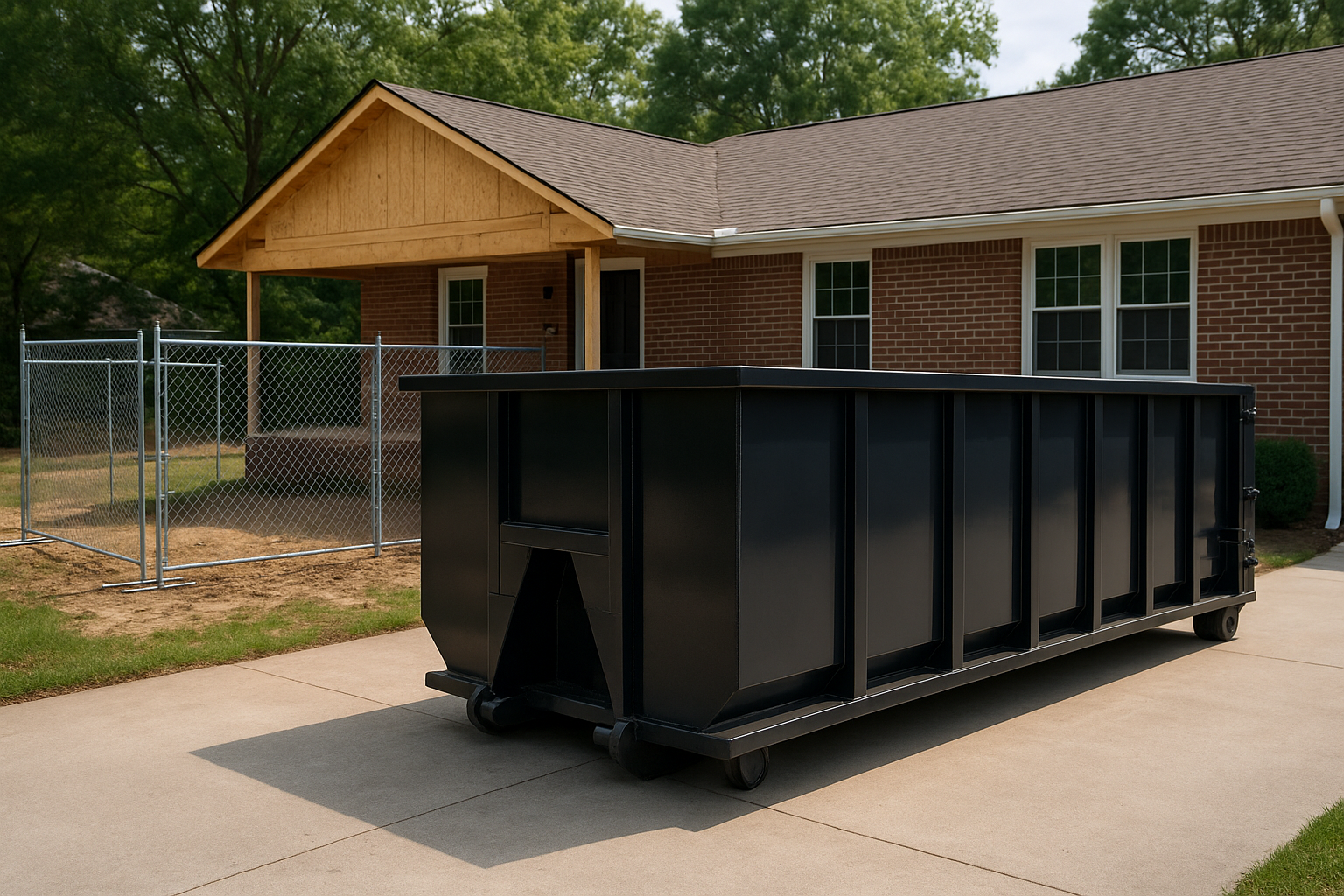
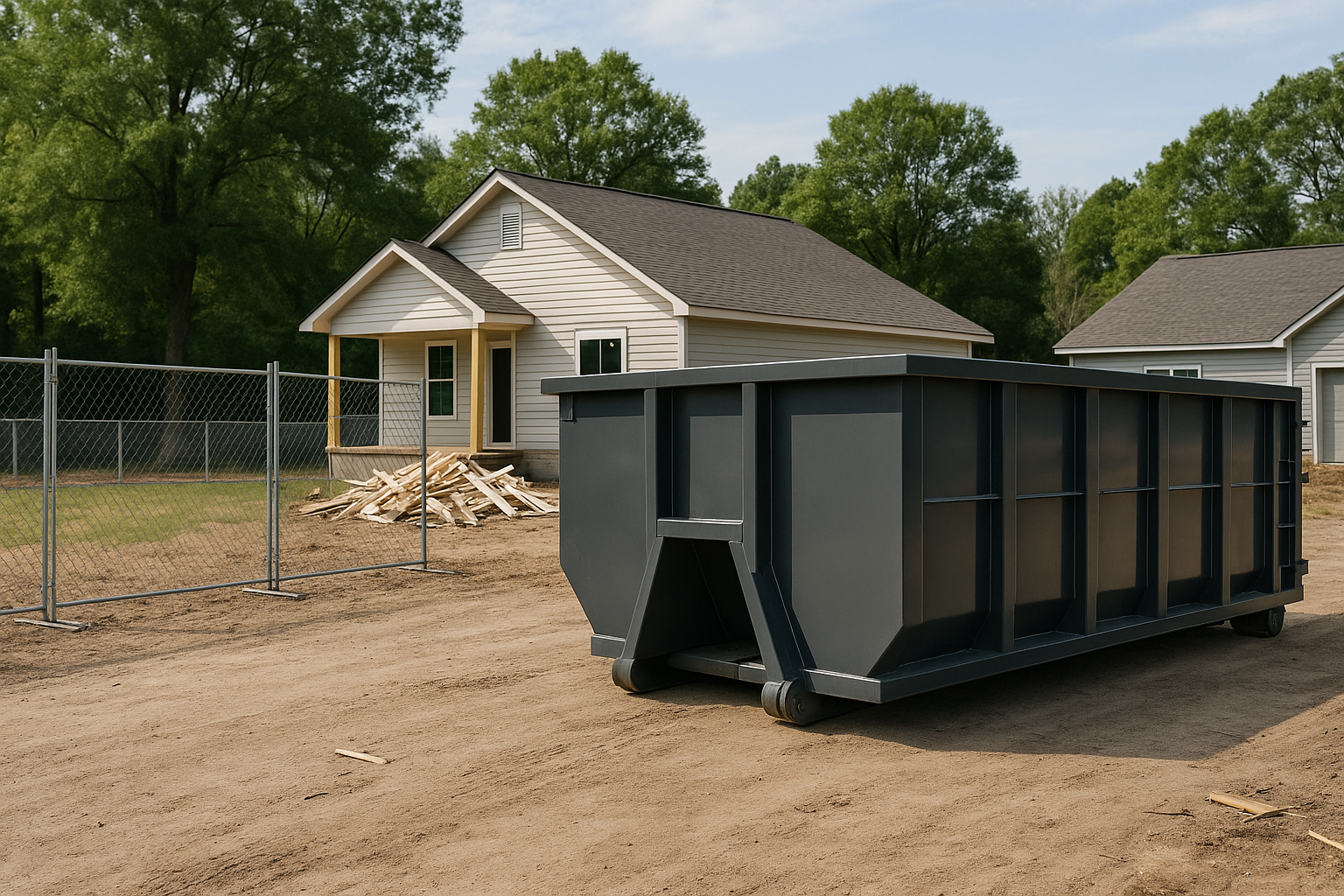
Start with the goal (not just the perimeter)
Before we talk footage, decide what you’re trying to accomplish:
- Access control: keep the public out, keep deliveries organized, and limit entry points.
- Safety + compliance: separate pedestrians from work areas, protect open excavations, and define restricted zones.
- Asset protection: deter theft of tools, copper, appliances, generators, and staged materials.
- Event flow: guide lines, define entrances/exits, and protect VIP/crew areas.
Plan the layout before delivery (5-minute checklist)
- Map the footprint: mark the fence line and note any tight turns or narrow drive lanes.
- Pick gate locations: place gates where trucks can actually approach and swing open.
- Confirm ground conditions: soft soil, slopes, and freshly graded areas may need extra stabilization.
- Keep access for trades: think about concrete trucks, lumber deliveries, dumpsters, and restroom servicing.
- Identify hazards: overhead lines, uneven curbs, storm drains, and sidewalk ramps.
Gate planning: where most sites get stuck
The gate should match your real access needs—especially if you’re also running a dumpster or roll-off container on-site.
- Daily crew access: a simple pedestrian-friendly gate near the parking path.
- Delivery access: a wider gate where a box truck can line up without backing across traffic.
- Dumpster/roll-off access: leave a straight approach and overhead clearance for the truck hoist.
If you’re coordinating both, it’s usually easier (and cheaper) to plan everything together—temporary fencing, dumpster rental, portable toilets, and staging—so you’re not moving panels every pickup day.
Common real-world setups (so you can visualize it)
- Residential remodel: fence the driveway-side staging area to protect tools/materials and keep kids/pets out.
- Roofing job: fence the debris drop zone + keep a clear lane for the dumpster swap.
- New construction: perimeter fencing with a wide delivery gate and a separate crew entry.
- Retail/event: fence around loading areas, generators, and backstage zones to control traffic flow.
Quick FAQ
- How much fencing do I need? If you can share a rough sketch, address, or Google Maps pin, we can estimate footage quickly. Even a phone photo of a marked-up plan works.
- How long can I keep it? Match the rental period to your actual schedule (deliveries + inspections + punch list). If the timeline shifts, extensions are typically easier than rushing removal/re-delivery.
- Where can it be placed? Private property is simplest. If any portion goes into a sidewalk or public right-of-way, you may need local approval—plan that early.
- What should I prep before you arrive? Clear the fence line, mark gate locations, and confirm any underground utilities or areas you want to avoid.
Next step: tell us your timeline and what you’re trying to secure (jobsite vs event). We’ll help you size the layout and coordinate delivery so access stays smooth for the whole project.
More Dumpster Rental Service Areas
Book a Dumpster Rental
Ready to get started? You can book online in minutes or call and we’ll help you choose the right container for your job.
Call: 704-593-6378